

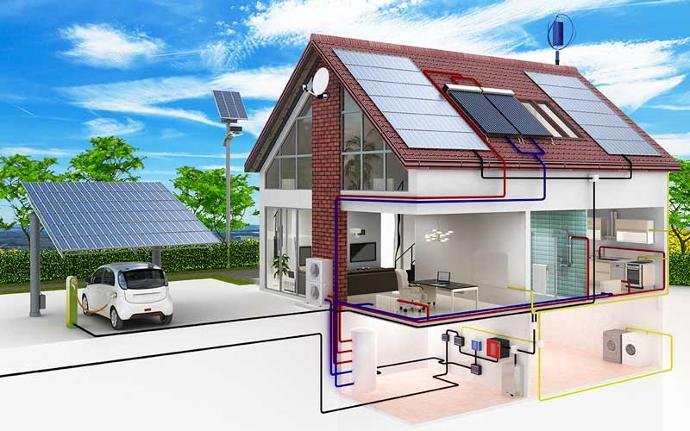
WHY waste heat energy?
Operating separate commercial systems for electrical grids, heating boilers, and air conditioning chillers wastes enormous amounts of residual exhaust energy.
This operational inefficiency dramatically inflates corporate utility bills and leaves industries heavily dependent on volatile fossil-fuel supplies..
integrated energy optimization
We design and install advanced Combined Cooling, Heating, and Power (CCHP) architectures that maximize thermodynamic efficiency.
This cutting-edge technology simultaneously produces electricity, heating, and cooling by integrating with our net zero Waste to Energy solution.
BENEFITS

Extreme Efficiency
Extracts maximum value from raw sustainable fuel inputs by repurposing exhaust thermal energy that traditional power plants discard.

Drastic Utility Savings
Slashes localized commercial operational expenditures by simultaneously eliminating independent heating gas bills and cooling power costs.

Flexible Thermal Balancing
Calibrates intelligently in real time to output variable heating or chilled water capacities based on seasonal building requirements.

Eliminate Fossil Fuel Dependence
Seamlessly anchors your entire building’s energy footprint into eco-friendly bio-energy systems to bypass carbon-intensive fuel lines.
Why Choose Tekmann Ecological Systems?
Our solutions are holistically integrated, thus eliminating liabilities while ensuring energy, water, and food sovereignty.

Trigeneration FAQ
What exactly is Trigeneration and how does it improve on Cogeneration?
Cogeneration only produces electricity and heat. Trigeneration (CCHP) integrates advanced absorption chillers to capture the plant’s excess exhaust heat, converting it into high-efficiency cooling without drawing extra power from the grid.
How does Trigeneration integrate directly with Tekmann TES installations?
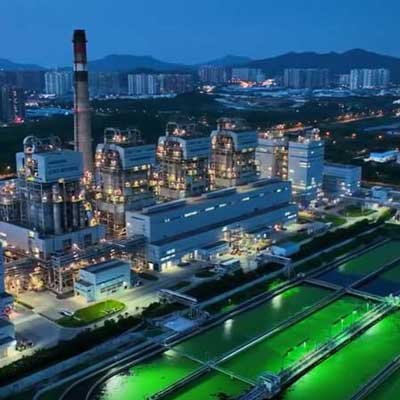
When paired with a Tekmann Ecological System (TES), the plant uses raw localized waste to generate electricity, while the resulting thermal energy is channeled directly into the trigeneration module for free heating and refrigeration.
What types of facilities benefit the most from a CCHP setup?
Multi-site developments, heavy industrial assembly lines, large commercial buildings, and food processing applications that require steady, simultaneous baseload electricity, cooling, or steam benefit significantly.
How does this system contribute to carbon and compliance indicators?
By substituting traditional fossil fuels with sustainable bio-energy systems, our trigeneration projects deliver measurable drops in carbon footprints while adhering to strict environmental compliance systems.